Delve Into the Domain of Fair Trade Tea: Outstanding Brews That Back Sustainable Practices
Fair Trade tea showcases a harmonious balance of quality and ethics. Each cup furnishes a distinct taste composition while championing sustainable farming practices. This process not only elevates the tea experience but also assists struggling agricultural producers. Understanding its sources and certification processes discloses richer dimensions of consequence. As consumers become more deliberate about their picks, the impact of Fair Trade tea spreads beyond flavor. What sits below the surface of these choices?
Learn the Sources of Fair Trade Tea
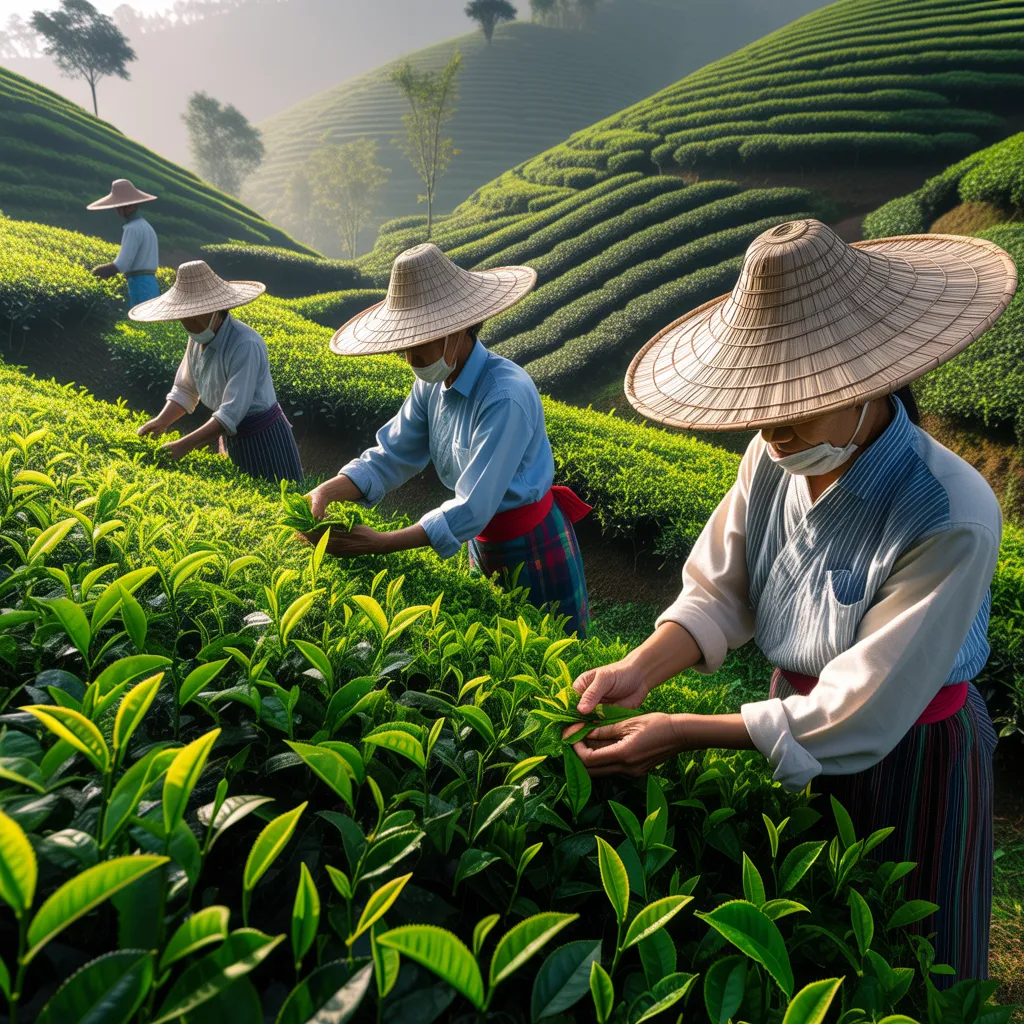
Fair Trade tea derives from the socioeconomic movements geared toward advancing the fortunes of marginalized farmers. Arising in the closing years of the twentieth century, this project worked to tackle inequities in global trade, especially in developing countries where tea is often cultivated. The movement gained traction as purchasers became more and more cognizant of the dire circumstances faced by grassroots growers, encompassing inequitable prices and mistreatment by multinational companies.
Through cooperative structures, Fair Trade aimed to empower these farmers, ensuring they received fair payment and support for sustainable farming practices. The movement also focused on promoting environmental responsibility, promoting organic farming and biodiversity. As knowledge increased, Fair Trade tea turned into a symbol of ethical consumption, linking consumers directly with the origins of their beverages. By selecting Fair Trade tea, individuals contribute to a larger goal of social justice and economic equity, fostering a more sustainable future for tea-growing communities.
Learn about ethical trade standards for eco-friendly practices
Grasping Fair Trade certification is critical to recognizing how sustainable practices are sustained within the tea industry. This certification pledges that producers receive fair wages and work under safe conditions, which directly aids community development. Fair Trade standards back environmentally sustainable farming methods, reducing the use of harmful chemicals and encouraging biodiversity.
Certification encourages openness in the supply chain, enabling customers to trace their tea back to its source. By adhering to these guidelines, farms engage in practices that protect natural resources and support local environments. Additionally, Fair Trade organizations often provide educational resources and training to farmers, empowering them to improve their farming techniques and financial security.
In the final analysis, Fair Trade certification improves the standard of tea while aligning consumer preferences with ethical and eco-conscious beliefs, establishing it as an essential aspect of the tea industry's devotion to social accountability and environmental guardianship.
Discover Top Types of Fair Trade Tea
While many tea admirers appreciate the robust taste and aroma of various brews, delving into the top categories of Fair Trade tea uncovers a more earnest devotion to ethical sourcing and sustainability. Some popular options include Fair Trade Assam, characterized by its intense, malt-forward notes, and Fair Trade Darjeeling, often called as the "Champagne of teas" for its subtle floral essence. Another distinguished variety is Fair Trade Earl Grey, seasoned with bergamot, offering a unique citrus twist.
Additionally, Fair Trade Green Tea, praised for its stimulating qualities and health benefits, is increasingly preferred among health-conscious consumers. Herbal blends, such as Fair Trade Chamomile and Peppermint, also shine, delivering soothing and calming effects. Each of these varieties not only delivers exceptional flavor but also supports farmers and communities working for better livelihoods, making them a responsible choice for tea lovers seeking quality and ethical assurance.
Brewing Fair Trade Tea: Directions for a Wonderful Cup
To make the ultimate cup of Fair Trade tea, precision is essential, since the correct techniques can boost the tea's special aromas and fragrances. Initially, water quality is key; using purified water provides a fresh flavor that lets the tea's traits stand out. The water temperature is also critical; different varieties of tea call for particular heat levels; boiling water is used for black tea and cooler heat is ideal for green or herbal varieties.
Subsequently, the steeping time must be carefully followed. Excessive steeping can result in a bitter taste, while insufficient steeping may not draw out the full flavor profile. A general guideline is 3-5 minutes for black tea and 2-3 minutes for green tea.
Ultimately, using the appropriate balance of tea to water elevates the taste; one teaspoon of loose tea per cup is a good beginning. By implementing these recommendations, tea aficionados can fully appreciate the extensive variety of Fair Trade tea.
Green Gains of Fair Trade Tea
Brewing Fair Trade tea not only enhances the tea encounter but also backs sustainable agricultural practices that advantage the ecosystem. Fair Trade accreditation encourages farmers to use natural cultivation techniques, which reduce the dependence on damaging chemicals and synthetic inputs. This method promotes species diversity, aiding in the protection of local ecosystems and protect wildlife habitats.
Additionally, Fair Trade methods often emphasize soil health and water preservation, ensuring that tea cultivation does not deplete essential resources. By assisting small-scale farmers, Fair Trade also encourages agroforestry, which unites tea cultivation with other crops and trees, further bolstering environmental resilience.
In addition, Fair Trade tea frequently incorporates eco-conscious wrapping and delivery systems, minimizing the carbon footprint associated with discussion its distribution. All in all, selecting Fair Trade tea shows a conscious effort to promote a more sustainable agricultural system that honors both the Earth and its inhabitants.

The Impact of Your Tea Selection in Strengthening Worldwide Communities
Embracing Fair Trade tea benefits societies worldwide by supplying farmers with equitable wages and enhanced working conditions. This commitment confirms that tea producers can copyright their ways of living while investing in their kin and local economies. By acquiring Fair Trade tea, patrons enable the establishment of necessary local services, such as instruction and healthcare.
Fair Trade certification encourages responsible conduct, demanding companies to adhere to guidelines that prioritize workers' rights and ecological responsibility. As a result, farmers are motivated to grow premium tea, which not only improves their earnings but also fosters satisfaction in their work.
In addition, the direct trade relationships instituted through Fair Trade bypass exploitative middlemen, helping farmers to contact with end-users worldwide. This openness strengthens trust and encourages a global appreciation for the cultural significance of tea. Ultimately, each cup of Fair Trade tea functions as a emblem of the favorable outcome individuals can have on planetary communities through mindful consumption.
Popular Inquiries Asked
How Can I Recognize Fair Trade Tea Items in Stores?
To find fair trade tea products in stores, one should search for official certifications, such as Fair Trade Certified or Rainforest Alliance. Additionally, studying brands dedicated to sustainable practices can support making informed choices.
Are There Any Wellness Advantages Associated With Fair Trade Tea?
Fair trade tea may provide various health benefits, such as antioxidants that promote heart health, better digestive function, and increased mental sharpness. Furthermore, responsible sourcing methods promote sustainable agriculture, ultimately benefiting a healthier environment and community well-being.
How Can I Source Fair Trade Tea in Digital Shopping Platforms?
Yes, fair trade tea is widely available in online marketplaces. Numerous retailers offer a variety of brands and blends, guaranteeing consumers can easily access sustainable products that promote both sustainability and fair labor practices.
What Influence Does Fair Trade Tea Play in Local Economic Growth?
Fair trade tea positively impacts local economies by providing farmers with fair wages, promoting community advancement, and encouraging sustainable farming practices. This support enhances livelihoods, promotes economic stability, and strengthens communities to invest in education and healthcare.
What Ways Should I Use to Maintain Fair Trade Tea for Superior Freshness?
To maximize quality, fair trade tea should be placed in an airtight container, protected from strong odors, humidity, and light. Keeping it in a cool, dark place helps protect its scent and taste over time.